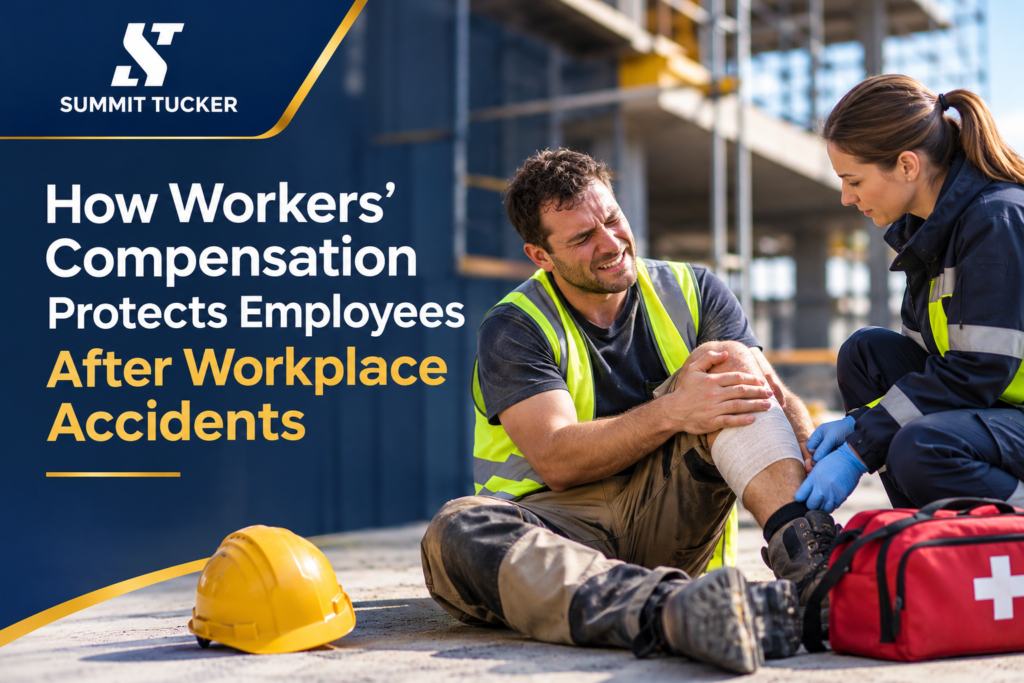

A workplace accident can change an employee’s life in seconds. Beyond the immediate pain, an injury may bring medical expenses, missed paychecks, and uncertainty about returning to work. Georgia’s workers’ compensation system helps eligible employees manage these challenges by providing medical care and financial benefits. A best workers compensation lawyer in Georgia search can also help injured workers find legal guidance when employers or insurance companies complicate the claims process.
What Does Workers’ Compensation Cover After a Workplace Accident?
Workers’ compensation is an insurance-based system that provides benefits to eligible employees who suffer job-related injuries or illnesses. It generally offers support without requiring employees to prove that their employer was negligent.
Depending on the circumstances, available benefits may include:
- Medical expenses: Coverage for necessary doctor visits, hospital treatment, surgeries, and prescription medications.
- Wage replacement: Income benefits when an injury prevents an employee from working.
- Rehabilitation: Physical therapy and other approved treatment to support recovery.
- Disability benefits: Financial assistance for qualifying temporary or permanent disabilities.
- Death benefits: Financial support and funeral expenses for eligible dependents when a workplace accident results in death.
These benefits can reduce the financial pressure employees face while recovering from an injury.
How Does Georgia Workers’ Compensation Protect Injured Employees?
Georgia law establishes specific responsibilities and deadlines for workplace injury claims. Understanding these requirements helps employees avoid preventable complications.
Timely Reporting and Medical Treatment
Employees should report workplace injuries to their employers within 30 days. Prompt reporting creates an official record of the accident and helps initiate the claims process.
In most cases, injured employees must select a treating physician from their employer’s approved panel of doctors. Following medical recommendations and keeping treatment records can also help document the injury.
Financial Support During Recovery
Employees who cannot work because of an injury may qualify for temporary disability benefits. These payments generally represent a portion of their average weekly wages, subject to state limits and eligibility requirements.
This support can help workers manage essential household expenses while focusing on recovery.
When Should You Contact a Workers’ Compensation Lawyer?
Not every claim proceeds smoothly. Employers may dispute how an accident happened, while insurance companies may question medical evidence, delay payments, or deny benefits.
A Best workers compensation lawyer in Georgia can help investigate the incident, collect medical documentation, complete claim paperwork, negotiate with insurers, and appeal denied claims. Legal guidance can be particularly valuable when an injury causes lasting limitations or prevents an employee from returning to their previous position.
It is also important to recognize when another party may share responsibility. For example, defective machinery or a negligent contractor could create a separate personal injury claim.
Employees seeking legal assistance can explore representation from personal injury lawyers in Atlanta. Other services, including a best car accident attorney in Atlanta or a slip and fall accident attorney in Atlanta, address different accident-related claims.
Protect Your Rights After a Workplace Accident
Taking prompt action can make a meaningful difference in a workers’ compensation case. Report the accident, seek appropriate medical attention, preserve relevant documents, and understand the deadlines that apply.
Speaking with a Best workers compensation lawyer in Georgia can help you understand your options and pursue the benefits available under state law.
Frequently Asked Questions
1. Can I receive workers’ compensation if I was partly responsible for my workplace accident?
Yes. Georgia workers’ compensation generally does not require employees to prove that their employer caused the accident. However, certain circumstances, including intentional misconduct or intoxication, may affect eligibility.
2. What happens if my employer refuses to report my workplace injury?
You should not assume that your claim is automatically lost. Keep evidence of your injury and written communication with your employer. You may also need to file a claim directly with the Georgia State Board of Workers’ Compensation within the applicable deadline.
3. Can I change doctors during a workers’ compensation claim in Georgia?
Georgia generally requires injured employees to choose an authorized physician from their employer’s approved panel. However, certain rules allow a change of physician. Understanding the available options before switching providers can help prevent unnecessary treatment or payment complications.
4. Can I receive workers’ compensation for an injury that develops gradually?
Yes. Certain occupational illnesses and repetitive stress injuries may qualify when they are connected to job duties. Medical documentation is important because gradual injuries can be harder to establish than accidents with a clear date and identifiable event.
5. What if another person caused my workplace accident?
You may have options beyond workers’ compensation if a third party, such as a contractor or equipment manufacturer, contributed to your injury. A separate personal injury claim may be possible, depending on the circumstances. Legal guidance can help identify potential claims and applicable deadlines.