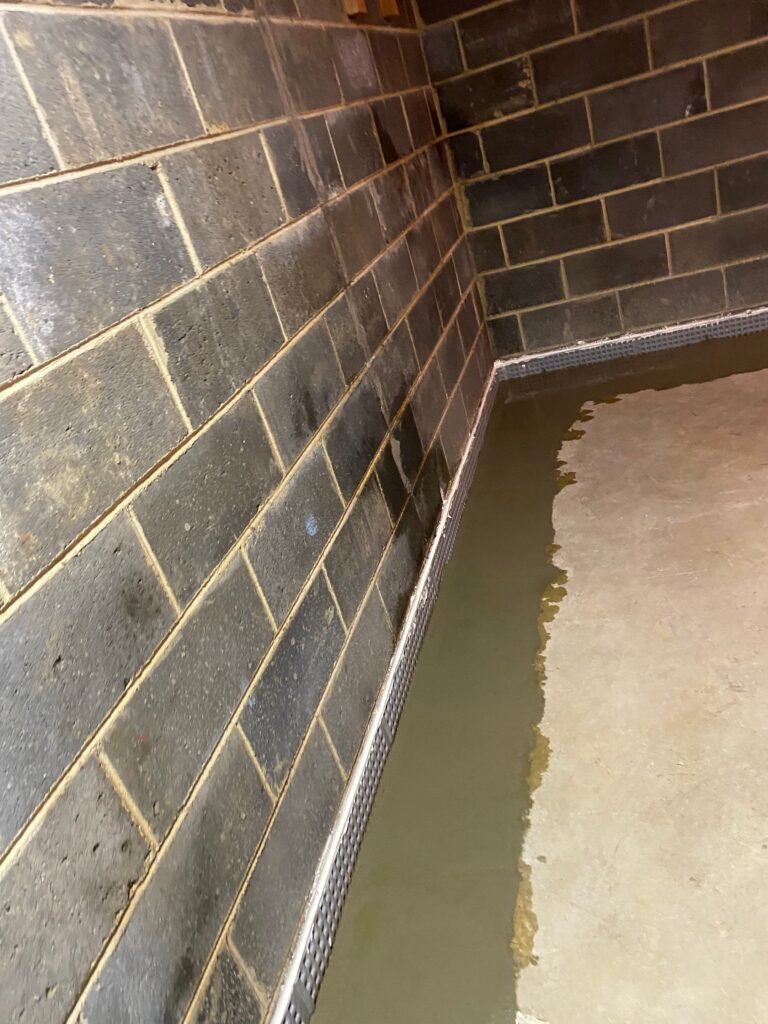

Water entering your basement may seem like a minor inconvenience, especially when it appears only after heavy rainfall. However, even occasional seepage can indicate drainage problems, foundation weaknesses, or excess groundwater pressure. For homeowners considering Basement Waterproofing in West Orange, understanding these warning signs early can help prevent more extensive property damage.
A dry basement is not just about keeping stored belongings safe. It also helps protect your home’s foundation, indoor environment, and usable living space.
What Makes Basement Water Intrusion a Serious Problem?
Basement water intrusion occurs when groundwater or rainwater enters through foundation cracks, wall joints, floors, or poorly managed drainage systems. In West Orange, heavy rainfall, snowmelt, and changing seasonal conditions can increase moisture around residential foundations.
Ignoring water intrusion can create several problems:
- Foundation deterioration: Continuous moisture exposure can worsen existing cracks and affect structural stability.
- Mold and mildew growth: Damp surfaces create conditions that encourage mold development.
- Unpleasant odors: Persistent moisture can leave basements smelling musty.
- Damaged belongings: Furniture, stored documents, and household equipment can suffer water damage.
- Reduced basement usability: Excess moisture can make the space unsuitable for storage or everyday activities.
How Can Homeowners Recognize Early Warning Signs?
Not every basement leak begins with visible standing water. Sometimes, the earliest indications are subtle.
Watch for these signs:
- White, powdery deposits on concrete walls, known as efflorescence.
- Damp patches or discoloration near the foundation.
- Musty smells that persist despite cleaning.
- Water collecting along basement floor edges.
- Increased humidity or recurring condensation.
Pay attention to when these symptoms appear. For example, moisture that develops after rainfall may suggest exterior drainage issues, while recurring dampness around a specific crack may indicate a foundation entry point.
Why Professional Basement Waterproofing in West Orange Matters
Effective waterproofing begins with identifying where water enters and why it accumulates. Simply covering a damp wall or sealing a visible crack may not address the underlying problem.
Professional assessments can help determine whether a property needs:
Interior and Exterior Waterproofing
Interior drainage systems collect and redirect water, while exterior waterproofing addresses moisture exposure around foundation walls.
French Drain Installation
French drains help redirect groundwater away from vulnerable areas. Homeowners exploring a French Drain Installation Service in Montclair can also consider how appropriate drainage systems help reduce water pressure around foundations.
Sump Pump Installation and Maintenance
Sump pumps remove accumulated groundwater from designated collection areas. Regular inspections and a sump pump maintenance service in Paterson can help homeowners understand the importance of keeping these systems operational.
Why Should You Address Water Problems Early?
Waiting until a basement floods can make an existing moisture problem more complicated. Water may gradually affect foundation materials, encourage mold growth, and damage finished basement areas.
A professional inspection helps identify the source of intrusion and determine which waterproofing measures are appropriate. With Basement Waterproofing in West Orange, homeowners can address existing moisture concerns and take steps to protect their properties against future water intrusion.
The important thing is not to dismiss small leaks as harmless. Early attention can make a meaningful difference in maintaining a dry, functional basement.
Frequently Asked Questions
1. Can basement water intrusion happen without heavy rainfall?
Yes. Groundwater pressure, plumbing leaks, foundation cracks, and poor drainage can introduce moisture even during dry weather. If dampness keeps returning, identifying its source is more useful than repeatedly cleaning affected surfaces.
2. How often should basement waterproofing systems be inspected?
Inspection frequency depends on the system and property conditions. Homeowners should periodically check drainage channels, sump pumps, and visible foundation areas, particularly before periods of heavy rainfall.
3. Does a French drain help prevent basement flooding?
A properly designed French drain collects and redirects groundwater away from vulnerable areas. Its effectiveness depends on soil conditions, drainage layout, and the property’s water entry points.
4. What should I check before choosing a basement waterproofing service?
Ask whether the inspection identifies the actual source of moisture, what waterproofing methods are recommended, and whether the proposed solution addresses drainage, foundation cracks, or groundwater accumulation.
5. Can sump pump problems contribute to basement water damage?
Yes. A malfunctioning pump, blocked discharge line, or power failure can prevent accumulated water from being removed. Routine inspections and appropriate maintenance help identify potential problems before heavy rainfall.