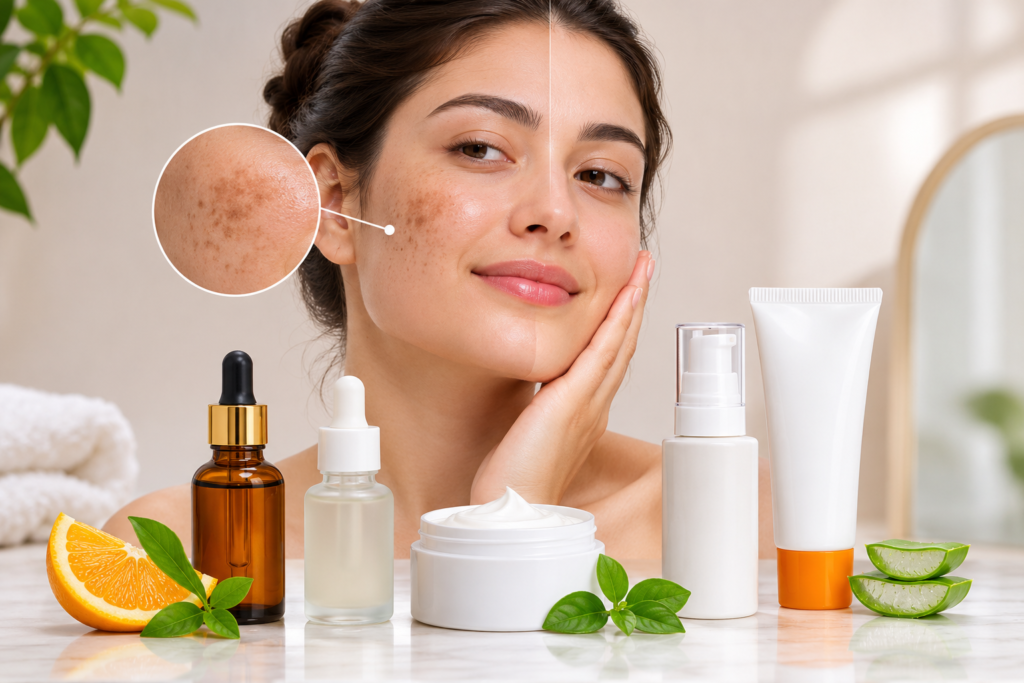

Uneven skin tone, dark spots, and patches of discolouration are common skincare concerns. They can develop due to several factors, including sun exposure, hormonal changes, acne marks, ageing, and skin irritation. While pigmentation is not usually a serious health concern, it can affect the overall appearance of the skin and make people feel less confident about their complexion. Choosing the right skincare routine can help improve the appearance of uneven skin tone over time.
This is where pigmentation treatment products become an important part of everyday skincare. These products are designed to target visible dark spots, support a more even complexion, and improve overall skin appearance. However, not every product works the same way, and choosing suitable ingredients for your skin type is essential. Understanding what to look for can help you make better skincare decisions.
What Causes Skin Pigmentation?
Before selecting skincare products, it is helpful to understand why pigmentation develops. Melanin is the natural pigment responsible for giving skin its colour. When the skin produces excess melanin in certain areas, dark spots or uneven patches may appear.
Some common causes include:
- Sun Exposure: Regular exposure to ultraviolet (UV) rays can increase melanin production and contribute to sunspots and dark patches.
- Hormonal Changes: Hormonal fluctuations, pregnancy, and certain medications can contribute to conditions such as melasma.
- Acne Marks: Pimples and skin inflammation can leave behind dark marks, commonly known as post-inflammatory hyperpigmentation.
- Ageing: Dark spots may become more noticeable as the skin ages and experiences years of sun exposure.
- Skin Irritation: Harsh skincare products or unsuitable treatments can irritate the skin and sometimes make pigmentation worse.
Identifying the possible cause of pigmentation can help you choose an appropriate skincare approach.
Important Ingredients to Look for in Pigmentation Treatment Products
The ingredients in your skincare products play an important role in addressing uneven skin tone. Some ingredients are particularly useful for improving the appearance of dark spots and supporting healthier-looking skin.
- Vitamin C
Vitamin C is a popular skincare ingredient known for its antioxidant properties. It helps protect the skin against environmental stress and supports a brighter-looking complexion. Regular use may also help reduce the appearance of dark spots and uneven skin tone.
Vitamin C serums are commonly used in morning skincare routines. However, choosing a formulation suitable for your skin type is important, especially if your skin is sensitive.
- Niacinamide
Niacinamide, also known as vitamin B3, is widely used in products designed for uneven skin tone. It helps reduce the transfer of melanin to skin cells, which can improve the appearance of dark spots over time.
Another benefit of niacinamide is that it supports the skin barrier and helps maintain moisture. This makes it a useful ingredient for people who want to address pigmentation while keeping their skin comfortable and hydrated.
- Alpha Arbutin
Alpha arbutin is another ingredient commonly found in skincare formulations for dark spots. It helps regulate melanin production and may gradually improve the appearance of hyperpigmentation.
It is often included in serums and targeted treatments. When used consistently as part of a suitable skincare routine, it can help promote a more balanced-looking complexion.
- Kojic Acid
Kojic acid is used in several skincare products formulated to address dark spots and uneven pigmentation. It works by interfering with an enzyme involved in melanin production.
It is commonly available in creams, serums, and other targeted skincare formulations. However, some people may experience irritation, so it is advisable to introduce products containing kojic acid gradually.
- Retinol
Retinol is a vitamin A derivative known for supporting skin cell turnover. It can help improve skin texture, reduce the appearance of certain dark marks, and support a smoother complexion.
Retinol should be introduced slowly, particularly for people who are new to active skincare ingredients. It can increase skin sensitivity, so daily sunscreen is essential. Retinoids should also be avoided during pregnancy.
Types of Products That Can Help With Pigmentation
Different skincare products serve different purposes. Depending on your skin concerns, you may benefit from using one or more of the following:
- Brightening Serums: These usually contain concentrated ingredients such as vitamin C, niacinamide, or alpha arbutin to target uneven skin tone.
- Pigmentation Creams: These are formulated to support the appearance of dark spots and provide additional skin hydration.
- Exfoliating Products: Products containing ingredients such as glycolic acid or lactic acid help remove dead skin cells and improve skin texture. Over-exfoliation should be avoided.
- Moisturisers: Keeping the skin hydrated supports the skin barrier and helps maintain overall skin health.
- Sunscreens: Broad-spectrum sunscreen with SPF 30 or higher helps protect the skin from UV damage, which can worsen existing pigmentation and contribute to new dark spots.
When selecting pigmentation treatment products, consider how each product fits into your existing skincare routine rather than using several active ingredients at once.
How to Build a Simple Skincare Routine for Pigmentation
A consistent skincare routine can make a difference in managing the appearance of dark spots. You do not need to use too many products to maintain healthy-looking skin. A simple routine with suitable ingredients is often a better starting point.
Morning Routine
- Start with a gentle cleanser to remove oil and impurities.
- Apply a vitamin C or niacinamide serum, depending on your skin’s needs.
- Use a moisturiser to maintain hydration.
- Finish with a broad-spectrum SPF 30 or higher sunscreen.
Evening Routine
- Cleanse your face to remove dirt, sunscreen, and makeup.
- Apply a suitable pigmentation serum or targeted treatment.
- Use a moisturiser to support the skin barrier.
If you are using retinol or exfoliating acids, introduce them gradually and avoid combining multiple strong active ingredients without professional guidance.
How to Choose the Right Products for Your Skin Type
Not every skincare ingredient suits everyone. Your skin type and sensitivity should influence your product choices.
- Oily Skin: Lightweight, non-comedogenic serums and gel-based moisturisers may be suitable.
- Dry Skin: Look for hydrating formulations containing hyaluronic acid, glycerin, and ceramides.
- Sensitive Skin: Choose gentle formulations and introduce active ingredients one at a time.
- Combination Skin: Lightweight serums combined with a balanced moisturiser can help address different skin needs.
Before using a new product, perform a patch test. If you have persistent pigmentation, sensitive skin, or worsening dark patches, consult a qualified dermatologist for personalised advice.
Common Mistakes to Avoid When Treating Pigmentation
Even good skincare products may not deliver the expected results if they are used incorrectly. Avoiding a few common mistakes can help you maintain a healthier skincare routine.
Skipping Sunscreen: Sun exposure can make pigmentation more noticeable. Using sunscreen every day is one of the most important steps in managing dark spots.
Using Too Many Active Ingredients: Combining several strong ingredients may irritate the skin and potentially worsen pigmentation. Introduce new products gradually.
Expecting Immediate Results: Pigmentation usually takes time to improve. Depending on its cause and severity, visible changes may take several weeks or months.
Choosing Products Without Checking Ingredients: Marketing claims do not always reflect how well a product suits your skin. Always review the ingredient list and choose products based on your actual skincare needs.
Ignoring Professional Advice: Some pigmentation conditions require dermatologist-guided treatment. Over-the-counter skincare products may not be sufficient for every concern.
How Long Does It Take to See Results?
The time required to notice improvements depends on the type of pigmentation, its underlying cause, the ingredients used, and individual skin response. Some people may notice gradual improvements within a few weeks, while deeper or more persistent pigmentation can take several months or longer.
Consistency is important, but it is equally important to avoid overusing active ingredients. If pigmentation does not improve or continues to spread, professional evaluation can help identify the right treatment options.
Conclusion
Managing uneven skin tone requires patience, consistency, and a skincare routine that suits your individual needs. From vitamin C and niacinamide to alpha arbutin and retinol, several ingredients can help improve the appearance of dark spots and support a more even-looking complexion.
Choosing the right pigmentation treatment products is not simply about selecting popular skincare brands. It involves understanding your skin type, identifying suitable ingredients, protecting your skin from sun exposure, and following a consistent routine. With the right approach and professional guidance when needed, you can work towards healthier-looking skin and better manage pigmentation concerns over time.